SEO isn’t dead — but the version of it that worked in 2018 absolutely is, and confusing the two is costing businesses real money.
No, SEO is not dead in 2026. What’s dead is the narrow idea that SEO means stuffing keywords onto a page and chasing ten blue links. Search didn’t disappear — it multiplied. People now find businesses through Google’s Map Pack, AI Overviews, ChatGPT, voice assistants, and “best of” lists, and every one of those surfaces is fed by the same fundamentals SEO has always cared about: relevance, authority, and trust. The businesses declaring SEO dead are usually the ones who never evolved past the old playbook. Here’s what actually changed — and why it matters more now, not less.
Where the "SEO Is Dead" Panic Comes From
Every few years, a new technology triggers the same headline. Social media was going to kill SEO. Then voice search. Now it’s AI. The pattern is always the same: a new way to find information appears, everyone assumes search is obsolete, and then it turns out the new channel also runs on findability.
AI is the biggest shift yet — but it didn’t remove the need to be found. It raised the stakes. When someone asks ChatGPT or Google’s AI Overview “who’s the best roofer near me,” something has to decide which businesses to name. That decision runs on the exact signals SEO has always built: consistent information, real authority, and credible reviews. The channel changed. The job didn’t.
What Actually Died
Let’s be honest about what’s genuinely gone, because some of it deserved to go:
- Keyword stuffing. Cramming “best plumber Albany plumber near me plumber” into a page now hurts you. AI and Google both reward natural language that answers a real question.
- Cheap link spam. Buying a thousand junk backlinks used to move rankings. Now it’s a liability — the kind of shortcut we’ve covered in what cheap SEO actually delivers.
- Thin, template content. Pages written for robots instead of people get ignored by both.
- Ranking as the only scoreboard. “Am I #1 for this keyword” matters less than “do I show up when a customer is actually deciding” — across the map, the AI answer, and the reviews.
If that’s the SEO you think died, you’re right. Good riddance. It was never real strategy anyway.
What Replaced It
The work didn’t disappear — it broadened. Modern SEO is really about being the answer everywhere a customer looks:
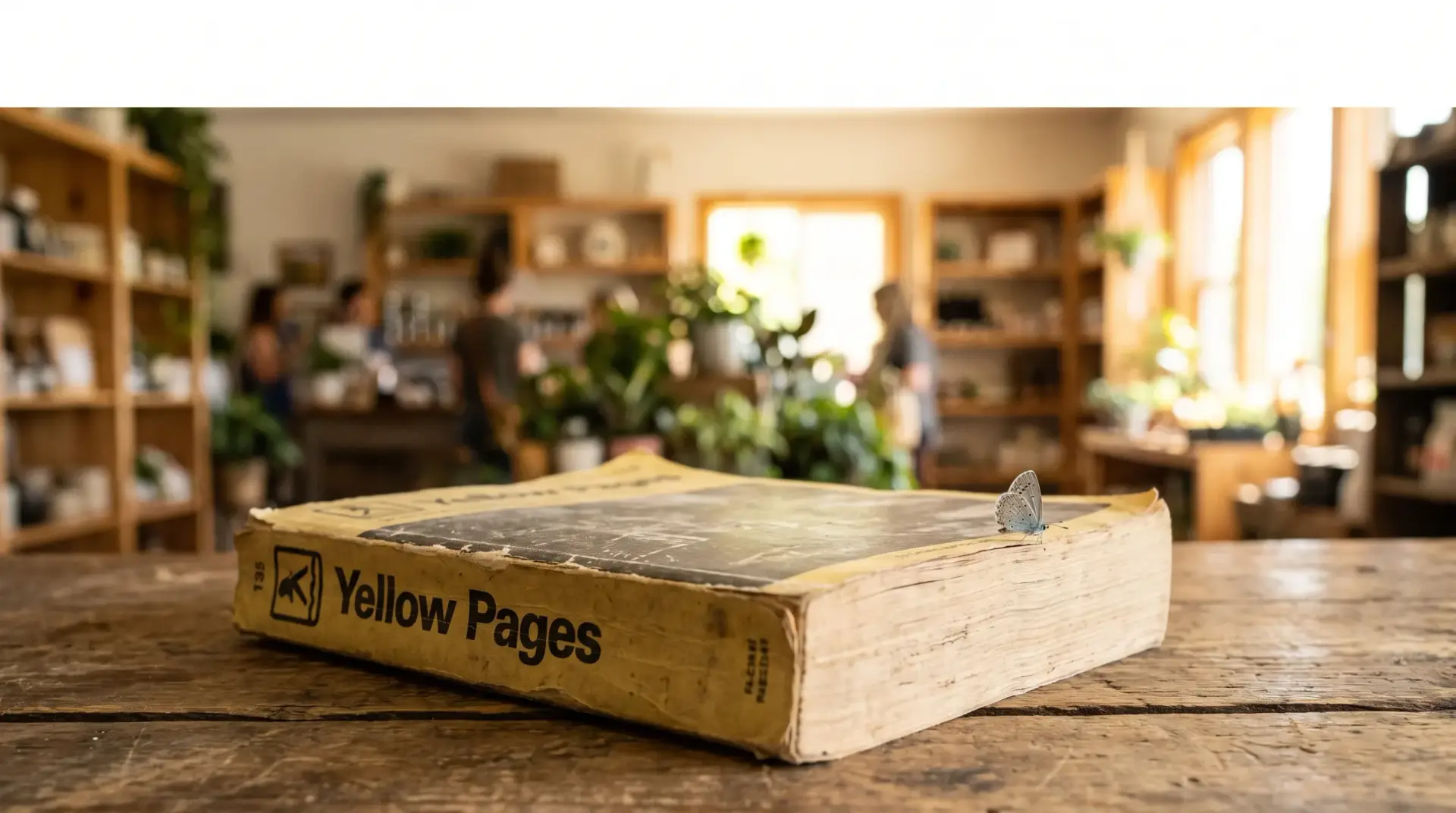
- Local search and the Map Pack. For most local businesses, the Map Pack is the new Yellow Pages — the single most valuable piece of search real estate you can own.
- AI search visibility (GEO). Generative Engine Optimization is how you get named by ChatGPT, Google’s AI Overviews, and Perplexity. It’s not a different discipline — it’s SEO’s fundamentals applied to a new surface, which is exactly why SEO and GEO are two halves of the same playbook now.
- Trust signals. Reviews, consistent listings, and real credibility are what make AI recommend your business instead of a competitor.
None of that is new SEO. It’s the same foundation — relevance, authority, trust — pointed at more places.
Why It Matters More Now, Not Less
Here’s the irony: the “SEO is dead” crowd has it exactly backward. As search fragments across maps, AI answers, and voice, the businesses with strong fundamentals get pulled into more of those surfaces automatically — while the ones who ignored SEO become invisible in all of them at once.
We’ve watched this happen in real time. Your competitors will show up in AI search and you won’t isn’t a scare tactic — it’s the direct result of one business investing in fundamentals while the other assumed search was over. AI didn’t level the field. It rewarded the businesses that were already doing the work.
So Should You Still Invest in SEO?
Yes — but invest in the real version. That means measuring where you actually stand, fixing the foundation, and building visibility across search, maps, and AI together, not chasing a single keyword ranking. It also means patience: SEO still takes three to six months to compound, and anyone promising instant results in 2026 is selling the dead version.
The question was never “is SEO dead.” It’s “am I doing the kind of SEO that’s alive.” Those are very different things.
Frequently Asked Questions
Is SEO dead or evolving in 2026?
SEO is evolving, not dead. The old tactics — keyword stuffing, link spam, thin content — no longer work, but the fundamentals of relevance, authority, and trust matter more than ever because they now feed Google’s Map Pack, AI Overviews, ChatGPT, and voice search. The channels changed; the underlying work didn’t.
Will AI replace SEO?
No. AI changes where people find businesses, but something still has to decide which businesses AI recommends — and that decision runs on the same signals SEO builds: consistent information, authority, and credible reviews. AI raised the importance of SEO fundamentals rather than removing them.
Is SEO still worth it for small businesses in 2026?
For most local businesses, yes. As search spreads across maps, AI answers, and voice, businesses with strong fundamentals get surfaced in more places automatically, while those who ignore SEO become invisible across all of them at once. The cost of being unfindable has gone up, not down.
Can ChatGPT do my SEO for me?
ChatGPT can help with drafting and research, but it can’t do the work that actually moves rankings — technical fixes, Google Business Profile optimization, citation consistency, earning real reviews, and building authority. It’s a helpful assistant, not a replacement for strategy.
Why do people say SEO is dead?
Usually because the specific tactics they relied on stopped working, or because a new channel like AI made them assume search was obsolete. Both times, the old approach died while the fundamentals kept working through the new surface. “SEO is dead” almost always means “my outdated SEO is dead.”
Don't Let the Myth Cost You Customers
SEO isn’t dead — but believing it is will quietly hand your visibility to the competitor who kept doing the work. The businesses winning in 2026 aren’t the ones chasing the latest trick; they’re the ones with fundamentals strong enough to show up everywhere a customer looks.
See where you actually stand across Google Maps, AI visibility, citations, and technical health with our free 30-second audit. When you’re ready to build real, modern visibility, book a free strategy call with Evolve.